Start with tools for measuring, fastening, gripping, cutting, and checking. Buy a solid version of each, leave room in the box, and add specialties when a real project calls for them. A kit assembled over time is usually more capable than a case full of undersized duplicates.
The compact core
Measure and mark
- 16- or 25-foot tape measure: choose a clear scale, firm lock, and blade you can read without strain.
- 9-inch torpedo level: useful for shelves, appliances, pictures, and quick vertical checks.
- Pencil and permanent marker: keep both; marks that work on lumber may not work on plastic or metal.
Drive and tighten
- Screwdrivers: one medium and one small Phillips, plus medium and small slotted drivers. Tips should fit screw recesses fully. Add square or Torx drivers if your fixtures use them.
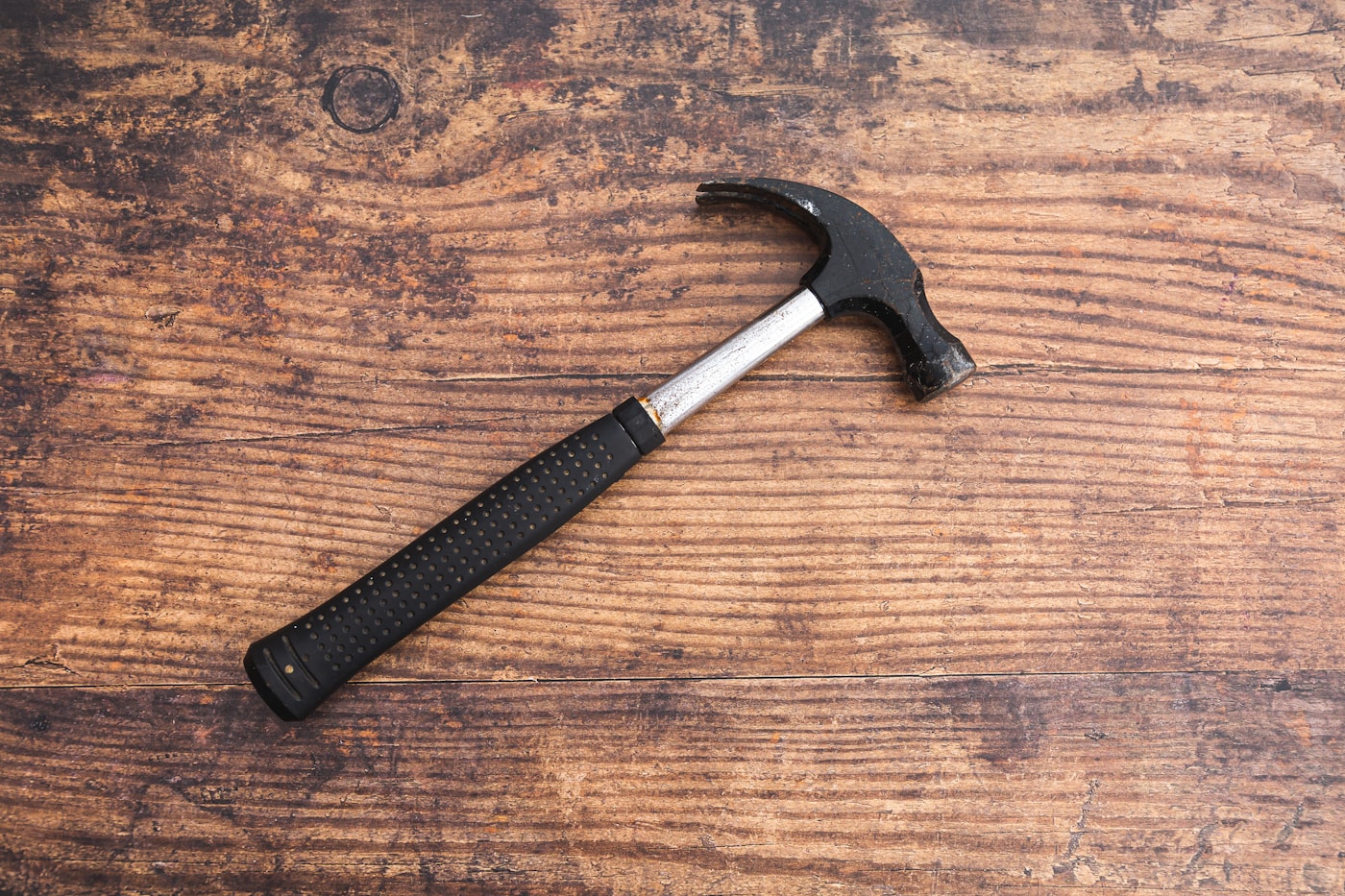
- Claw hammer: a 16-ounce smooth-face model suits many households. Grip several; balance matters more than decoration.
- Hex-key sets: both metric and inch sets cover furniture, bicycles, handles, and fixtures. Folding sets are harder to lose; loose L-keys reach tighter spaces.
Grip and turn
- Slip-joint pliers: general gripping, holding, and bending.
- Needle-nose pliers: small spaces, cotter pins, and light wire shaping. Use insulated-rated tools for electrical work; colored grips alone do not mean insulation.
- Adjustable wrench: useful where the exact wrench is absent. Keep the movable jaw facing the direction of turn and fit it closely to reduce rounding.
Cut and open
- Retractable utility knife: choose positive blade control and easy replacement. Cut away from your body and retract it before setting it down.
- Scissors: keep a work pair separate from kitchen scissors.
- Compact hacksaw: not essential on day one, but inexpensive and useful for small metal and plastic work.
Safety belongs in the box
Add safety glasses that fit without slipping, reusable hearing protection, a dust mask or task-appropriate respirator, and several glove types. No single glove suits solvents, sharp sheet metal, hot work, and rotating machinery. In fact, loose gloves can be dangerous near spinning tools.
A bright flashlight or headlamp is essential. A non-contact voltage detector can be a useful warning tool, but it does not replace proper testing, lockout, or electrical knowledge. Keep a first-aid kit and an appropriate, inspected fire extinguisher accessible—not buried beneath tools.
What to postpone
Large socket assortments, specialty saws, electrical testers, plumbing wrenches, and power tools can wait for a defined project. Borrowing or renting can clarify what you value before buying. If you add a cordless drill/driver, choose a platform whose batteries support tools you may reasonably add later. One battery system is easier to maintain than several.
Match the kit to the home
Renters may add picture-hanging supplies, removable hooks, felt pads, and the driver bits their furniture uses. Homeowners often need a stud finder, caulk gun, pry bar, combination square, socket set, and basic garden tools. Older homes may call for plaster-compatible fixings, traditional hardware sizes, and more diagnostic patience.
Keep consumables modest and labeled: a small selection of screws and anchors, picture hooks, electrical tape, PTFE thread-seal tape, penetrating oil, wood glue, cyanoacrylate adhesive, and a few replacement blades. Adhesives and batteries age, so a giant assortment is not automatically economical.
Buy for service, not display
Check that handles feel secure, jaws meet cleanly, adjustment mechanisms move without slop, and replacement blades or parts are available. Bright finishes and high piece counts do not compensate for poor fit. Spend more on the tools you use often and on any tool whose failure could cause injury.
Store and maintain it
A simple open tote makes tools easy to see; a lidded box keeps dust and children out. Return tools dry, wipe exposed steel lightly with oil, replace damaged cords and mushroomed striking tools, and discard cracked utility blades safely. Once a year, empty the kit and remove mystery pieces that belong elsewhere.
- Tape measure, torpedo level, pencil, and marker
- Four screwdrivers and metric/inch hex keys
- Claw hammer, two pliers, and adjustable wrench
- Utility knife, blades, scissors, and flashlight
- Safety glasses, hearing protection, masks, and suitable gloves
- Tool tote or box with room to grow